

Quick answer
Los Angeles blue whale watching operates year-round from Long Beach and San Pedro Harbors, with tours departing daily between 09:00 and 17:00. The migration peaks from June through September when blue whales feed in the Santa Barbara Channel, just 15 nautical miles offshore. Morning departures between 09:00 and 12:00 offer the calmest conditions and longest search windows, though sightings occur on afternoon trips as well. Public waterfront access is free; tour operators charge varying fees per passenger.
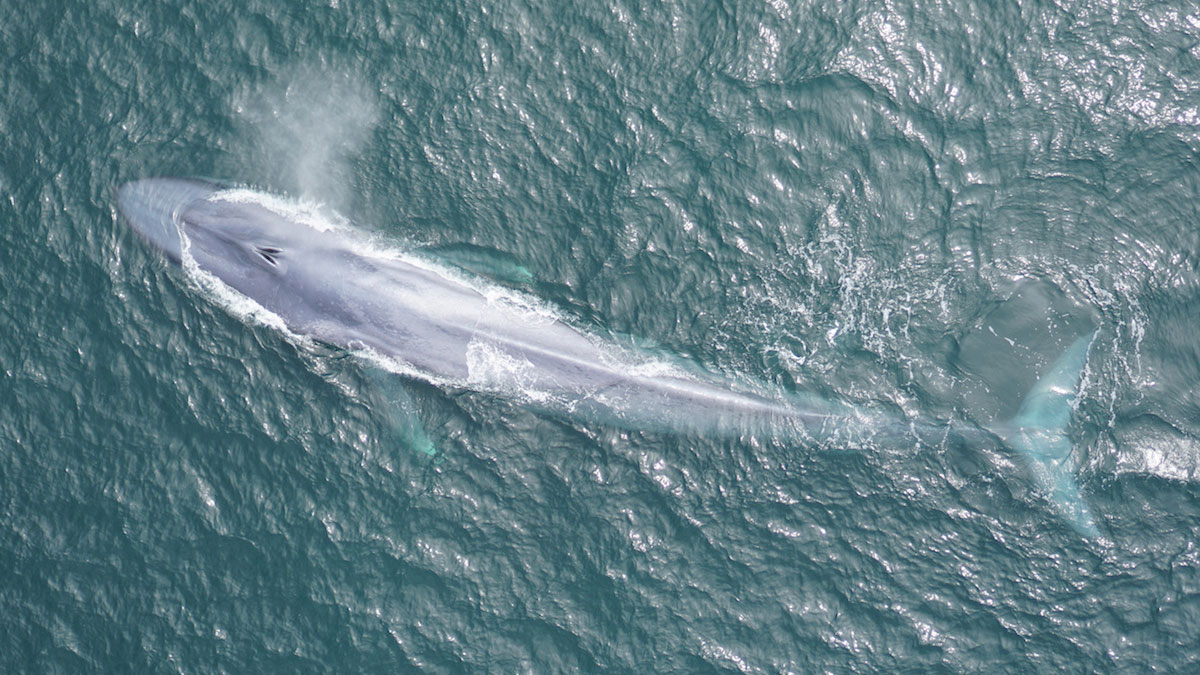
Blue whales reach lengths of 100 feet and weigh up to 200 tons, yet they survive entirely on krill—tiny shrimp-like crustaceans no longer than a paperclip. The waters off Los Angeles support one of the densest krill concentrations along the Pacific coast, drawing blue whales within sight of the mainland during their summer feeding season. What makes los angeles blue whale watching particularly productive is proximity: the continental shelf drops away just miles from Long Beach and San Pedro, creating the deep-water habitat these animals require. The California blue whale population follows a predictable annual circuit. They winter in the breeding grounds off Baja California and Costa Rica, then migrate north in spring to feed in California and beyond. Peak season runs June through September, though individual whales appear as early as April and linger into November. During summer months, naturalists report sighting blue whales on more than 90 percent of departures—a success rate few other whale-watching regions can match. Gray whales pass through during their own migration in winter and spring, and humpbacks, fin whales, and dolphins appear throughout the year, so no trip goes without marine life. Tours typically last three to four hours and venture 10 to 20 miles offshore, depending on recent sightings and ocean conditions. Naturalists aboard each vessel monitor radio reports from other boats and adjust routes in real time. The experience is not a static viewing platform; it involves patience, scanning the horizon for blows—the vertical spray a surfacing whale exhales—and maneuvering to observe without disturbing the animals. Federal law requires vessels to stay at least 100 yards from whales, though the whales themselves sometimes approach boats out of curiosity. Morning departures offer the best odds for calm seas, which matter more than most first-timers expect. Even moderate swells make spotting distant blows difficult, and seasickness affects many passengers on choppy afternoons. Layered clothing, sun protection, and binoculars improve the experience significantly. Blue whale watching in Los Angeles is an exercise in scale—the animals surface slowly, breathe a few times, then dive for 10 to 20 minutes, often traveling a quarter mile underwater between appearances. When a 90-foot animal arches its back and raises its tail flukes before a deep dive, the sense of proximity to something both ancient and utterly alive rewrites most visitors' sense of the ocean.
“Federal law requires vessels to stay at least 100 yards from whales, though the whales themselves sometimes approach boats out of curiosity.”
Best Time for Los Angeles Blue Whale Watching
The prime window for viewing blue whales in Los Angeles occurs during the summer and autumn months as these massive mammals migrate through regional waters. Aligning your trip with the morning arrival window is recommended for optimal conditions.
Summer (July–September)
Moderate to highWarm, 70–80°F, calm seas
This period offers the highest probability of blue whale sightings. Sightings are frequent as krill populations peak.
Autumn (October–November)
Low to moderateMild, 65–75°F, occasional breeze
Blue whales continue to pass through the area. Water temperatures remain temperate for marine life activity.
Morning Departures
Light—
The best arrival window is 09:00–12:00. These times provide calmer sea conditions and more time for locating whales.
Verdict: For the highest success rate, plan your visit during the summer months and schedule your arrival between 09:00–12:00.
Daily Operating Hours for Los Angeles Blue Whale Watching
The facilities for Los Angeles blue whale watching operate on a consistent schedule throughout the week. All tour departures are coordinated within these daily operating hours.
| Monday | 09:00–17:00 | |
|---|---|---|
| Tuesday | 09:00–17:00 | |
| Wednesday | 09:00–17:00 | |
| Thursday | 09:00–17:00 | |
| Friday | 09:00–17:00 | |
| Saturday | 09:00–17:00 | |
| Sunday | 09:00–17:00 |
Los Angeles Blue Whale Watching Entrance Fees
Access to the public waterfront areas in Los Angeles is free of charge. Costs for blue whale watching are determined solely by the private tour operators that facilitate excursions from the harbor.
While accessing the harbor is free, adult tickets for whale watching excursions vary in price depending on the specific tour operator and vessel selected.
Getting to Los Angeles Blue Whale Watching Harbors
Whale watching departures are located at Long Beach and San Pedro Harbors in Los Angeles, CA. These hubs are accessible via major regional freeways and public transit connections.
I-710 South to Long Beach or I-110 South to San Pedro
A Line to Downtown Long Beach Station
Metro J Line to Pacific Ave/1st St
Preparation Checklist for Los Angeles Blue Whale Watching
Blue whale watching from Los Angeles requires advance booking and preparation for extended time on the open ocean.
-
Reserve your tour in advance — Summer and fall tours sell out quickly during peak blue whale migration.
-
Bring layered clothing and a windbreaker — Ocean temperatures drop significantly once you leave the harbor, even on warm days.
-
Pack sunscreen and sunglasses — Glare off the water intensifies UV exposure throughout the trip.
-
Consider seasickness medication beforehand — Tours venture into open ocean where swells can be significant.
-
Bring binoculars and a camera — Blue whales surface at distance and photo opportunities require zoom capability.
-
Wear rubber-soled shoes — Boat decks become slippery from spray and movement.
-
Pack snacks and water — Most tours last 3-4 hours with limited onboard refreshments.
Check availability
Frequently Asked Questions About Los Angeles Blue Whale Watching
Everything you need to know about los angeles blue whale watching